The historical journey of casinos From ancient games to modern entertainment
The Origins of Gambling
The practice of gambling dates back thousands of years, with evidence found in ancient civilizations such as Mesopotamia and China. These early games often involved betting on various outcomes, from the roll of dice to the outcome of sports events. The allure of chance has captivated humans, reflecting a deep-seated desire for excitement and the potential for reward. As players engage in this thrilling experience, many might seek out the best australian online casinos to enhance their gambling adventures.
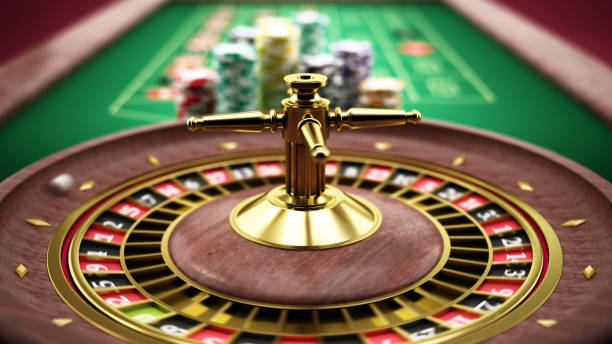
Archaeological findings suggest that even in ancient Egypt, games of chance were played, showcasing how deeply ingrained gambling is in human culture. These games evolved from simple pastimes into more structured formats, laying the groundwork for modern casino experiences. The psychological thrill of gambling has consistently drawn people in, creating a sense of community and competition.
The Rise of Formal Gambling Houses
As societies advanced, so did the structure of gambling. In the 17th century, the first official gambling houses emerged in Europe, particularly in Italy. The term “casino” itself derives from the Italian word for a small house or villa where games were played. These establishments combined socializing with gaming, attracting the elite and transforming gambling into a sophisticated leisure activity.
The popularity of casinos soared during the 18th and 19th centuries, especially in France, where establishments like Monte Carlo became synonymous with luxury and excess. This period marked a pivotal shift where gambling was no longer just a pastime but an integral part of high society, driven by both psychological thrill and the status it conferred.
The Impact of Technology on Casinos
The 20th century brought significant technological advancements that reshaped the casino landscape. The introduction of slot machines revolutionized the gaming experience, making it more accessible to the masses. These machines appealed to the psychological aspects of gambling by providing instant gratification and the thrill of potential big wins, which in turn drew larger crowds into casinos.
With the rise of the internet in the late 20th century, online gambling emerged, further changing how people engage with games of chance. Virtual casinos allowed individuals to enjoy the thrill of gambling from the comfort of their homes, catering to a broader audience while introducing new psychological dynamics related to online gaming addiction and risk behavior.
Modern Casinos: A Blend of Entertainment and Gaming
Today’s casinos have evolved into multifaceted entertainment hubs that offer much more than just gambling. They feature lavish shows, gourmet dining, and shopping experiences, appealing to a wider demographic. This transformation reflects a broader understanding of entertainment, incorporating the psychological need for both thrill and social engagement.
Casinos now leverage technology to enhance the gaming experience, with innovations like virtual reality and mobile gaming. These advancements not only enrich the user experience but also tap into the psychological aspects of immersive engagement, drawing in customers who seek both excitement and community within these modern entertainment venues.

Conclusion: The Enduring Appeal of Casinos
The historical journey of casinos illustrates their evolution from ancient games of chance to sophisticated modern entertainment complexes. This journey highlights the persistent human attraction to gambling, driven by psychological factors such as thrill, community, and the allure of winning. As technology continues to advance, the landscape of casinos will undoubtedly keep evolving, adapting to the needs and desires of society.
Understanding this history provides insight into the enduring appeal of casinos. They serve not only as places of risk and reward but also as cultural landmarks that reflect changing societal values and psychological impulses, demonstrating that the desire for entertainment and excitement is timeless.